
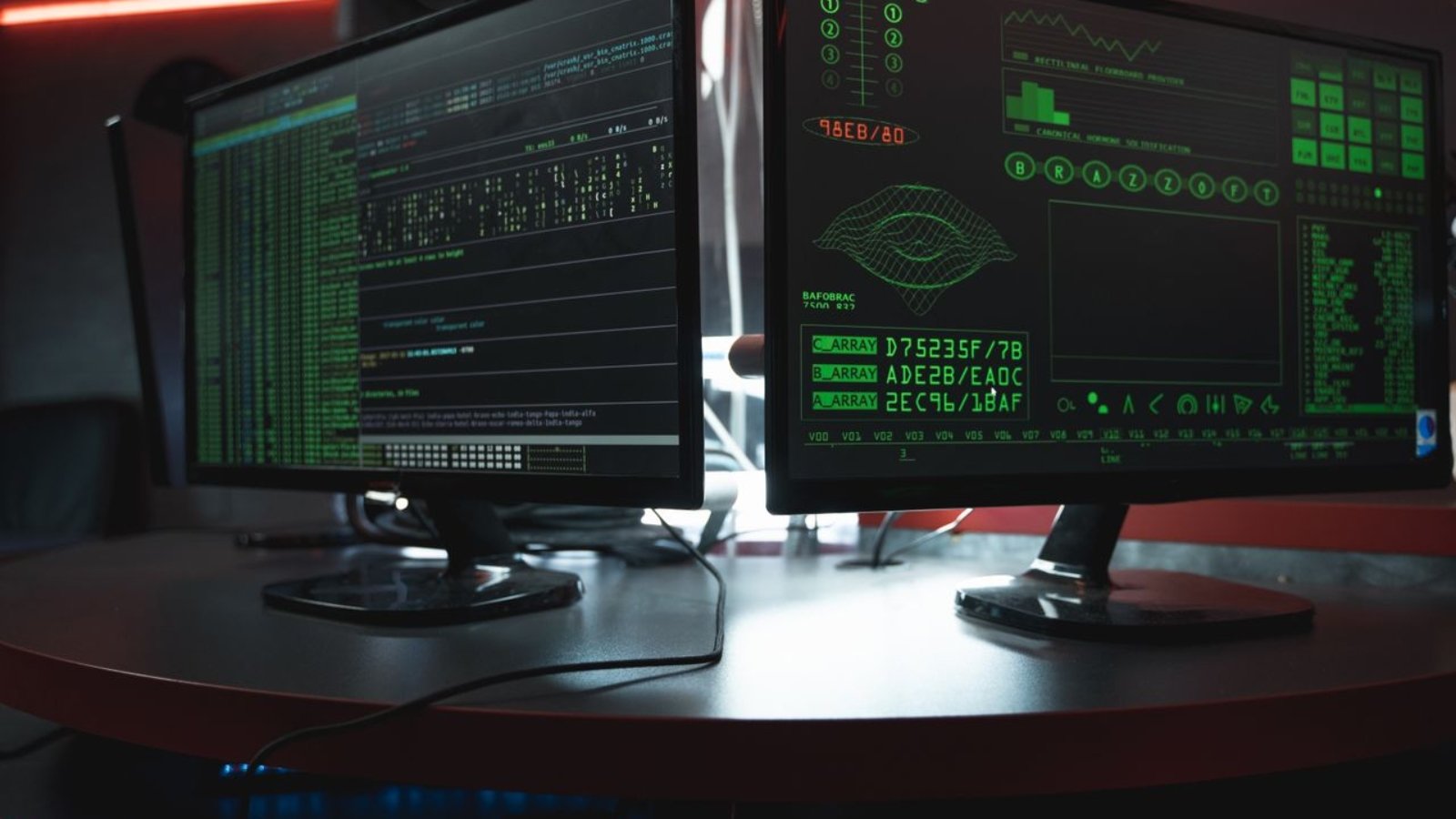
Organisations are increasingly dependent on digital systems for communication, data storage, applications and daily operations. With this increased dependence comes the need to protect systems and information from cyber threats.
Cybersecurity is no longer only an IT department responsibility. It is an important part of overall organisational risk management.
What Is Cybersecurity?
Cybersecurity refers to the technologies, processes and practices used to protect computer systems, networks, applications and information from unauthorised access, disruption or misuse.
A cybersecurity environment can include:
- Firewalls
- Endpoint protection
- Network security
- Access controls
- Security monitoring
- Vulnerability assessment
- VAPT
- Backup and recovery
- Security audits
Common Security Challenges
Weak Passwords and Access Controls
Poor password practices and excessive user privileges can create unnecessary security risks.
Outdated Systems
Operating systems, applications and network devices need regular updates and security patches.
Unsecured Networks
Poorly configured networks can expose systems to unauthorised access.
Phishing and Social Engineering
Employees can be targeted through deceptive emails, messages and websites designed to obtain sensitive information.
Lack of Monitoring
Without adequate monitoring, organisations may not immediately identify unusual activity.
What Is VAPT?
Vulnerability Assessment and Penetration Testing, commonly known as VAPT, is used to identify potential weaknesses in systems, applications and networks.
A security assessment can help organisations understand:
- Existing vulnerabilities
- Potential attack surfaces
- Configuration weaknesses
- Security gaps
- Areas requiring remediation
Building a Strong Cybersecurity Strategy
A practical cybersecurity strategy should consider multiple layers of protection.
1. Secure the Network
Use appropriately configured firewalls, secure Wi-Fi and network segmentation where required.
2. Protect Endpoints
Computers, laptops and servers should have appropriate security controls and regular updates.
3. Control Access
Users should receive access based on their actual responsibilities.
4. Maintain Backups
Important information should be backed up using an appropriate backup strategy.
5. Monitor Systems
Security monitoring can help organisations identify unusual activity and respond appropriately.
6. Train Employees
Employees should understand common cyber risks and basic security practices.
Conclusion
Cybersecurity should be treated as an ongoing process rather than a one-time installation. Regular assessment, monitoring, updates and employee awareness can help organisations build a stronger security posture.
RM Multi Services provides cybersecurity, network security, VAPT, security assessment and infrastructure security solutions based on organisational requirements.
Need to strengthen your organisation’s cybersecurity? Talk to RM Multi Services.
Add a Comment